

 01732 868190

Published on: 19th August 2024
What to do when someone passes away
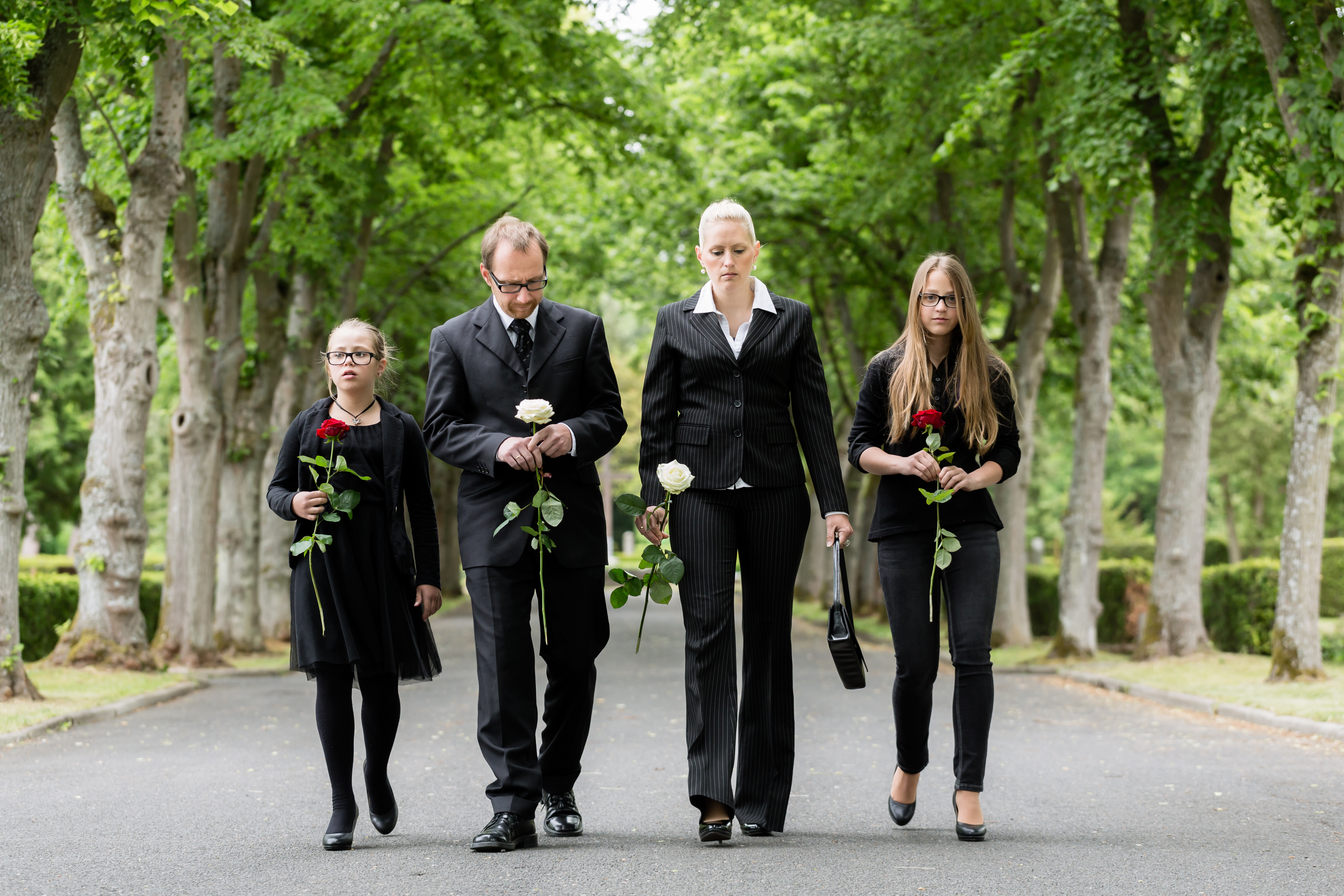
Losing a friend or family member is an incredibly difficult experience, and dealing with the necessary paperwork and practicalities is the last thing anyone wants to focus on while grieving. However, there are a few essential steps that need to be handled promptly. While locating the Will and securing assets is important, there’s no need to rush decisions about the estate. Those matters can be addressed once you’re ready. Below are the top tasks that require immediate attention following a death.
Obtain a Medical Certificate
When? Immediately, unless there is a coroner’s investigation, in which case the certificate will be issued afterward.
How? If the person passed away in a hospital, the medical certificate will be provided by the hospital. For those who die at home, the deceased’s GP can issue the certificate.
Cost: The medical certificate is free.
Register the Death
When?
- Within 5 days in England, Wales, and Northern Ireland.
- Within 8 days in Scotland.
How? Each region has a designated registration office:
- England and Wales: Register Office
- Northern Ireland: District Registration Office
- Scotland: Registrar of Births, Deaths, and Marriages
Cost: Registering the death is free but obtaining a death certificate costs between £9 and £12.50 depending on the region. It’s recommended to get several copies upfront as it’s often cheaper and more efficient than obtaining them later. You’ll need multiple copies when dealing with different organisations regarding the estate.
Required Information for Registration:
- Full name of the deceased, including any previous names (e.g., maiden name)
- Medical certificate stating the cause of death
- Date and place of birth
- Last residential address
- Occupation
- Full name, date of birth, and occupation of their surviving or late spouse/civil partner, if applicable
Arrange the Funeral
When? Planning the funeral is a priority, but it’s okay to take the necessary time to find the right funeral director or crematorium.
How? Most funerals are arranged through funeral directors. Ensure the one you choose is a member of a trade organisation like the National Association of Funeral Directors or the Society of Allied and Independent Funeral Directors, as they adhere to specific codes of practice and complaint procedures.
Costs:
- The deceased may have left instructions or funds for their funeral in their Will.
- If no money is allocated, don’t feel pressured to spend beyond your means. Similarly, if the estate is large and subject to inheritance tax (IHT), funeral expenses can be offset against the IHT bill as “reasonable mourning and funeral expenses.”
- Cremations generally cost less than burials. Comparing prices and asking for recommendations from family and friends can help manage costs.
Next Steps: Notifying Government Departments
When? Soon after the death.
Who? The following departments need to be notified:
- Passport Office: Cancel the passport
- HM Revenue & Customs: Handle annual income tax and capital gains tax
- Department for Work and Pensions: Stop state pension and benefits
- Driver and Vehicle Licensing Agency (DVLA): Cancel the driving license and update car registration details
- Local Council: Pause Council Tax and update the electoral register
How? The free Tell Us Once service (available in many areas) can notify all relevant government departments at the same time, saving you the hassle of contacting each one individually. The information on how to use this service is provided when you register the death.
What You’ll Need:
- Name and date of death of the deceased
- Unique reference number given at the time of death registration
- The deceased’s National Insurance number
- Contact details of the person handling the estate
If you choose to notify departments individually, you’ll need to provide the death certificate to each one.
Locating the Will
If a Will exists, it’s often stored with the firm that prepared it. If not, check the deceased’s usual places for important documents. Once found, ensure the original Will is kept safe.
If there is no Will, the estate will be distributed according to intestacy laws, which follow a set formula. Whether or not there is a Will, you may need to apply for a grant of probate to administer the estate.
If you would like to speak with one of our Consultants to discuss any of the issues raised in this article or any other estate planning topic please telephone 01732 868190 or click here.
======================================
If you wish to give instructions or require general information about our Wills, Lasting Powers of Attorney, or Trusts then we will carry out a telephone or Zoom appointment.
However, if you wish to give instructions to one of our Consultants and you feel that you can only do this at a Face to Face meeting then we are offering, at our Consultant’s discretion, a limited number of Face to Face appointments in most of the areas we normally cover. To see the areas we normally cover please click here.
To arrange an appointment please telephone 01732 868190 or click here.
======================================
If you would like to meet one of our Consultants and discuss any of the issues raised in this article or any other Estate Planning topic, please telephone 01732 868190 or