

 01732 868190
Published on: 14th June 2021
What happens if a loved one cannot consent to a COVID-19 vaccine?
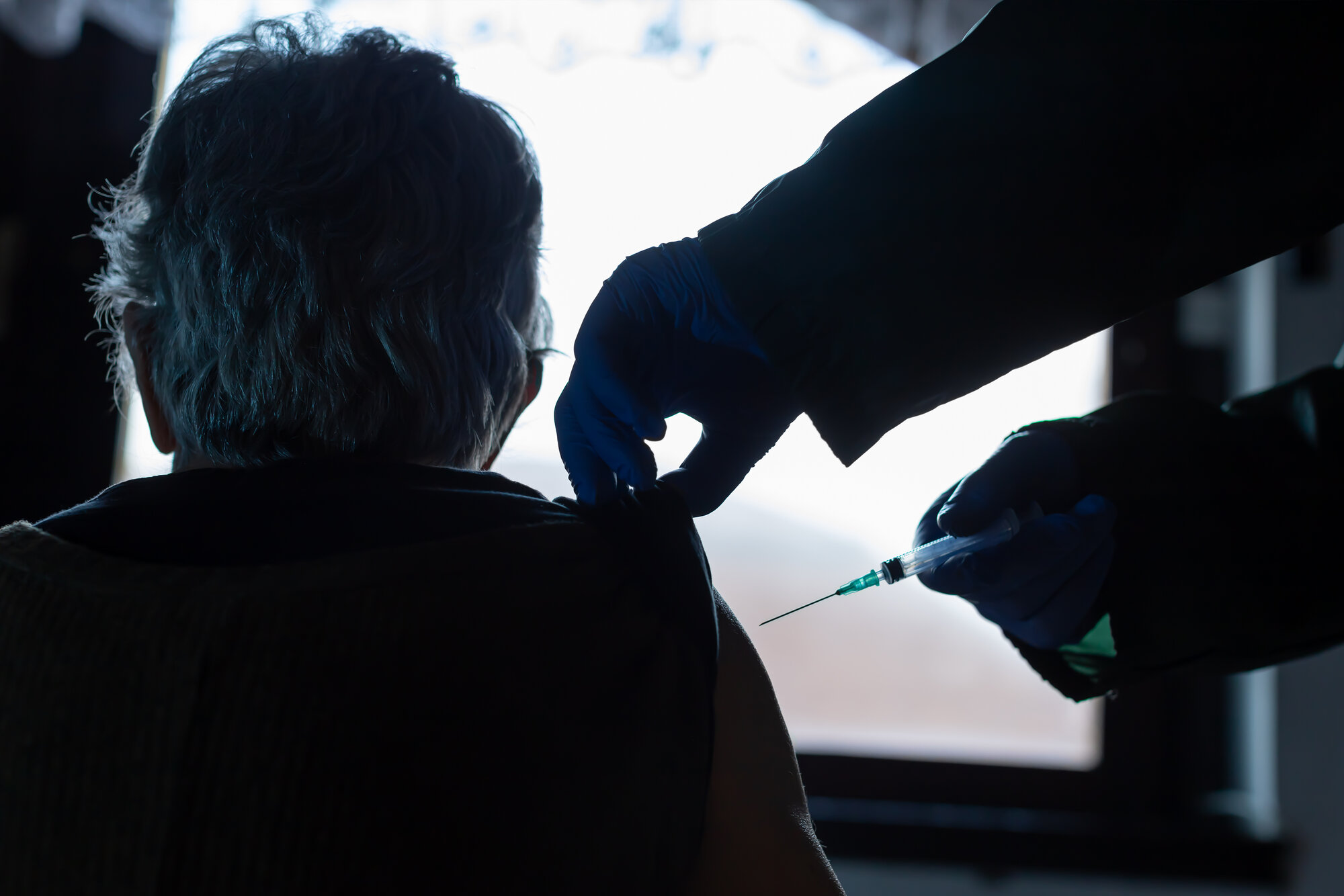
The COVID-19 vaccine is a step forward in obtaining normalcy. It is, however, an optional step which not everyone wishes to take. Whether you or your loved ones wish to receive the vaccine or not, it is imperative to be informed on your options.
According to NHS guidance, in order to receive the vaccine, the person must give consent. For individuals who might not have the mental capacity to give consent, someone else can make a best interests decision for them.
In line with the checklist in Section 4 of the Mental Capacity Act of 2005, the decision-maker must consider all relevant circumstances, including the individual’s wishes, beliefs, values, and previous consent.
A nurse’s duty to act in the best interest of a person who lacks capacity can be challenged by others, including family, friends, and attorneys. The determination of best interest, therefore, must be based on consensus or referred to the Court of Protection.
In both E v London Borough of Hammersmith and Fulham [2021] and SD v Royal Borough of Kensington and Chelsea [2021], adult children of a parent without the capacity to consent to the vaccine objected to its administration. In both cases, the Court of Protection held that there cannot be a presumption of interest to be immunised against COVID-19 as the nurses originally wanted, but rather the circumstances relating to Section 4 of the Mental Capacity Act of 2005 must be considered. In both of these cases, however, Justice Hayden ruled that, in compliance with Section 4, previous acceptance of vaccines and the health risks of living in a care home meant that it was in both of the applicants’ best interests to be vaccinated.
A way to ensure that your loved one who does not have the mental capacity has the right decision made for them is to create a Lasting Power of Attorney (LPA) for Health and Welfare when they do have mental capacity. An LPA gives a person legal authority to make decisions on behalf of another person. For a Health and Welfare LPA, this includes:
- Vaccine administration
- Where the person should live
- Medical care
- Who the person should have contact with
- What kind of social activities the person should take part in
If a loved one loses capacity before they have put an LPA in place, an appropriate person can apply to the Court of Protection to become that person’s deputy. The person who becomes a deputy is authorised by the Court to make decisions on behalf of the person who lost capacity. Whilst this is useful for those who did not have an LPA in place before capacity was lost, the process can be both time consuming and expensive. Putting an LPA in place ensures that immediately upon the loss of capacity, the attorneys are able to make decisions on their behalf rather than having to wait for the Court of Protection.
Planning now will save everyone involved time, money, and stress. If you want more information about creating a Lasting Power of Attorney, give our helpful team a call on 01732 868190 or get in touch through our contact form.
======================================
Our Covid-19 policy is now that if you wish to give instructions or require general information about our Wills, Lasting Powers of Attorney or Trusts then we will carry out a telephone or Zoom appointment. However, if you wish to give instructions to one of our Consultants and you feel that you can only do this at a Face to Face meeting we are offering, at our Consultant’s discretion, a limited number of Face to Face appointments in most of the areas we normally cover (subject to Government advice). To see the areas we normally cover please click here. To arrange an appointment please telephone 01732 868190 or click here.
======================================
If you would like to meet one of our Consultants and discuss any of the issues raised in this article or any other Estate Planning topic, please telephone 01732 868190 or