

 01732 868190
Published on: 27th April 2026
Estate Planning for Blended Families: Avoiding Common Pitfalls
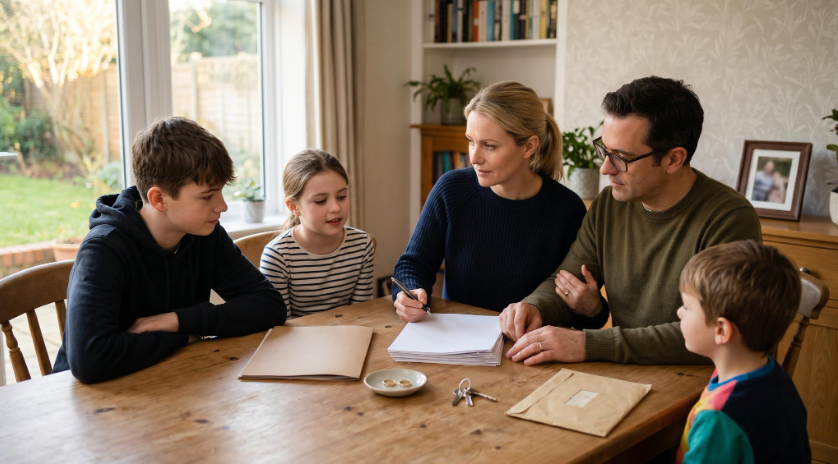
When a new chapter meets an old document
There is a quiet moment in many second marriages when someone opens a drawer and finds a Will from another life. It is usually tucked behind passports and batteries, and it still names the first spouse as beneficiary because, well, nobody got round to changing it. Awkward.
Also risky.
If you have stepchildren, shared children, an ex partner somewhere in the background, and a home you have built together, the paperwork needs to match the reality. Otherwise the law will do its own thing, and it rarely reads the room.
The trap of meaning well
Most people in blended families are trying to be fair. They want their partner to be comfortable, and they also want their own children to receive something one day. The snag is that a simple Will leaving everything to the surviving spouse can accidentally cut the children out entirely.
Picture it. You leave the house and savings to your spouse. They later rewrite their Will, perhaps under pressure, perhaps just because life has moved on. When they die, your children might receive nothing. That is not drama. That is just how it can play out.
This is why estate planning for blended families is less about romance and more about clarity.
Stepchildren and the myth of automatic rights
Here is a surprise that catches people out. Stepchildren do not automatically inherit under the intestacy rules. Loving them, raising them, paying for school trips. None of that creates a legal right if there is no Will.
If you want stepchildren to be treated the same as your own, say it plainly. Names matter. Percentages matter. Even small items can cause big arguments when everyone is already grieving.
Trusts, not as scary as they sound
Trusts can feel like something other people do, the sort of thing mentioned in posh novels. In practice, they can be a kind way to balance interests.
A common approach is to let a surviving spouse live in the home or receive income, while protecting the underlying share for the children later. It keeps a roof over someone’s head and still ringfences what you meant to pass down. Another approach is to leave specific gifts now, with the rest split in a way that reflects your family tree, not your stress levels.
Also, check how the home is owned. Joint ownership can send a share straight to the survivor, no matter what the Will says.
Talking now, not later
The best plans are not secret. A gentle family chat can save years of muttering, and it makes it harder for anyone to claim they were shocked. Keep it calm. Keep it practical. Write it down. Review it after remarriage, after a house move, and after any big change in health.
If you want straight talking help, Casey & Associates can guide you through Wills and trusts without the jargon. In the meantime, take a few minutes this week to book a conversation and get your wishes out of the drawer and into the light.
If you would like to meet one of our Consultants and discuss any of the issues raised in this article or any other Estate Planning topic, please telephone 01732 868190 or